
It has been an hour since the feed. The burp came, or it did not, and now your baby is on their back grunting, going red in the face, drawing their knees up and straining. Their tummy feels firm. This is not a burp any more. The wind has moved lower, and it needs to come out the other way.
Releasing low wind is a different job from burping, and it needs different moves. This page gives you a gentle routine you can do in about ten minutes, explains what a release looks like when it works, and tells you what to try if it does not.
At a glance
- Wind that has moved past the tummy will not come up as a burp. It needs to move down and out
- The release routine: warm up, bicycle legs, knees to tummy, clockwise tummy circles, then a tummy-down hold
- Go slowly. Gentle, rhythmic movement works better than fast pumping
- A bottom burp, a poo, straight legs and a relaxed face mean it has worked
- If your baby is straining but nothing comes, or seems unwell, talk to your GP or child health nurse
High Wind or Low Wind?
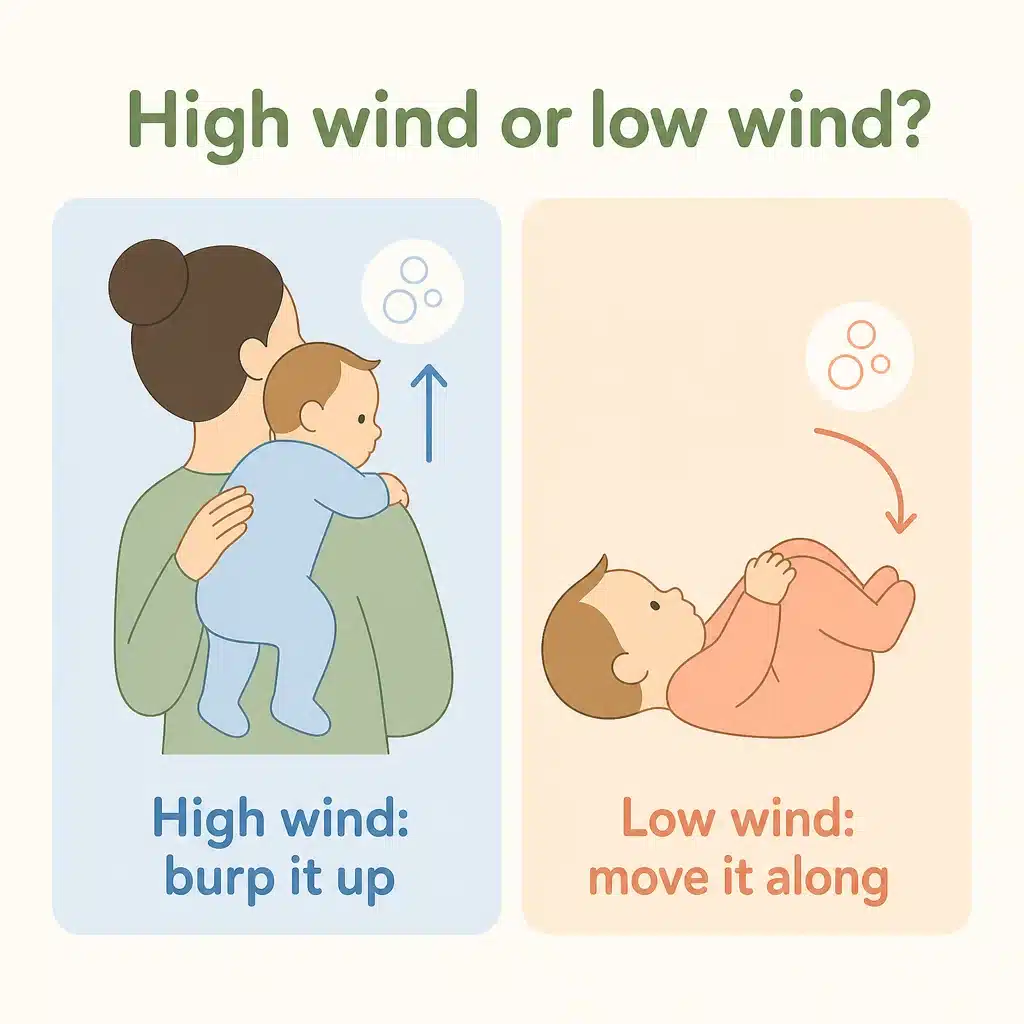
Where the wind is decides what will help. If you are not sure it is wind at all, our guide to trapped wind in infants covers the signs.
- High wind is swallowed air still sitting in the tummy. It shows up during a feed or soon after as squirming, pulling off the breast or bottle, and a scrunched face. It comes up as a burp. Our guide on how to burp a baby with trapped gas covers that
- Low wind has moved further along the gut. It usually shows up 30 minutes or more after a feed as grunting, straining, knees drawn up, a firm tummy and a red face. It comes out as a bottom burp, or with a poo
Low wind is often a burp that did not come up in time. Once the bubble travels on, the only way out is down, and that is what the routine below is for.
The Release Routine, Step by Step
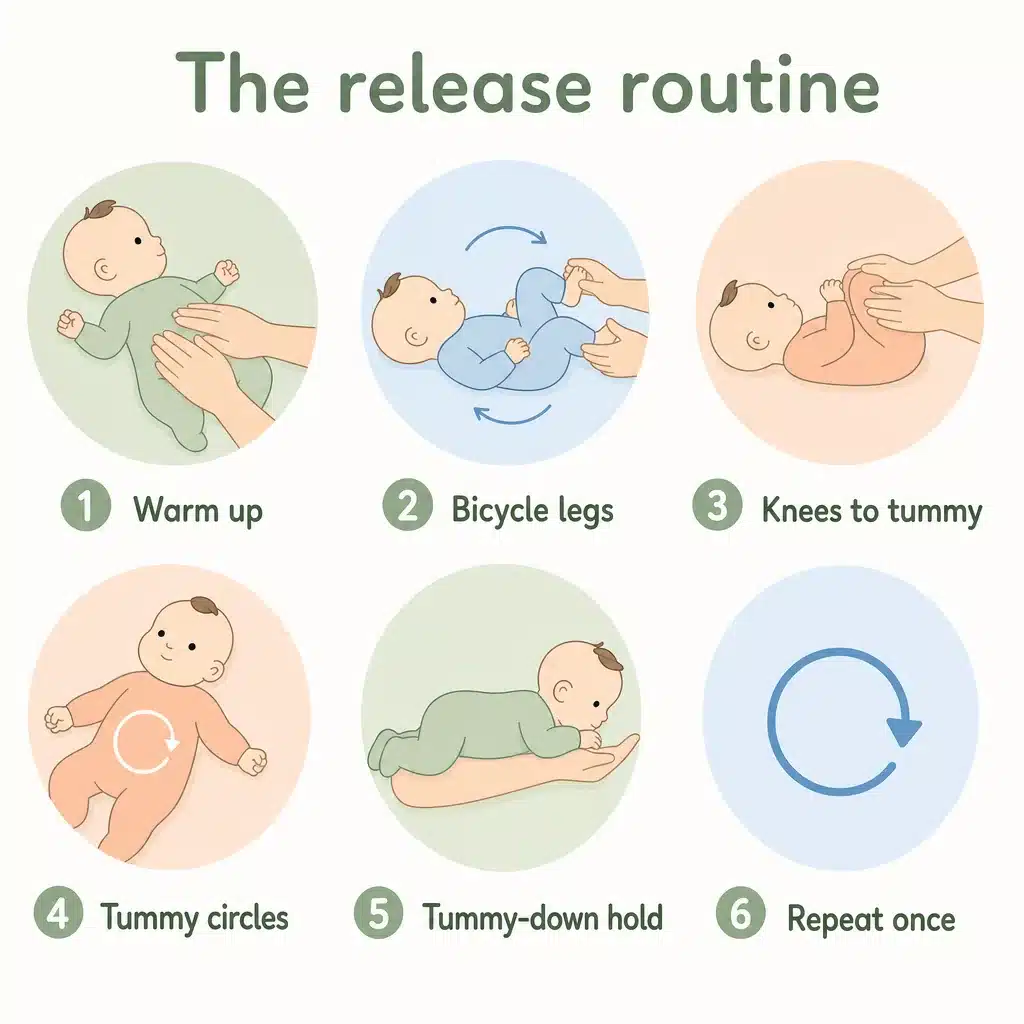
Choose a time when your baby is awake. Ideally, wait at least half an hour after a feed, because a full tummy does not like pressure. Lay your baby on their back on a firm, safe surface, like a change mat on the floor or a towel on the bed with you right beside them. A warm room and warm hands help your baby relax.
Step 1. Warm up
Rest both of your warm hands gently on your baby’s tummy for a few breaths. Talk or hum to them. A tense tummy holds wind in, and this moment of stillness helps your baby relax their muscles before you start.
Step 2. Bicycle legs
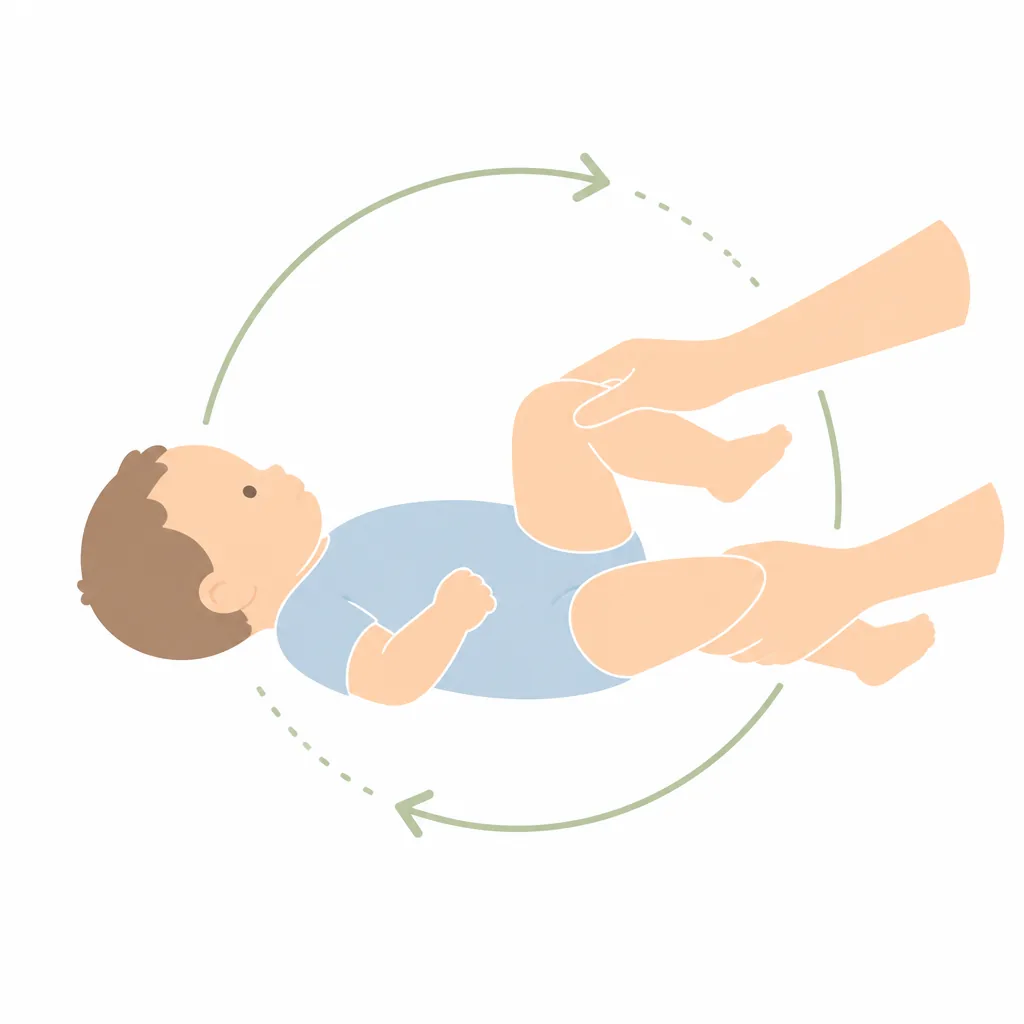
Hold your baby’s lower legs gently and move them in slow cycling circles, as if they were riding a bike. Do ten or so slow rotations, then pause. The movement helps nudge wind along the lower gut.
Step 3. Knees to tummy
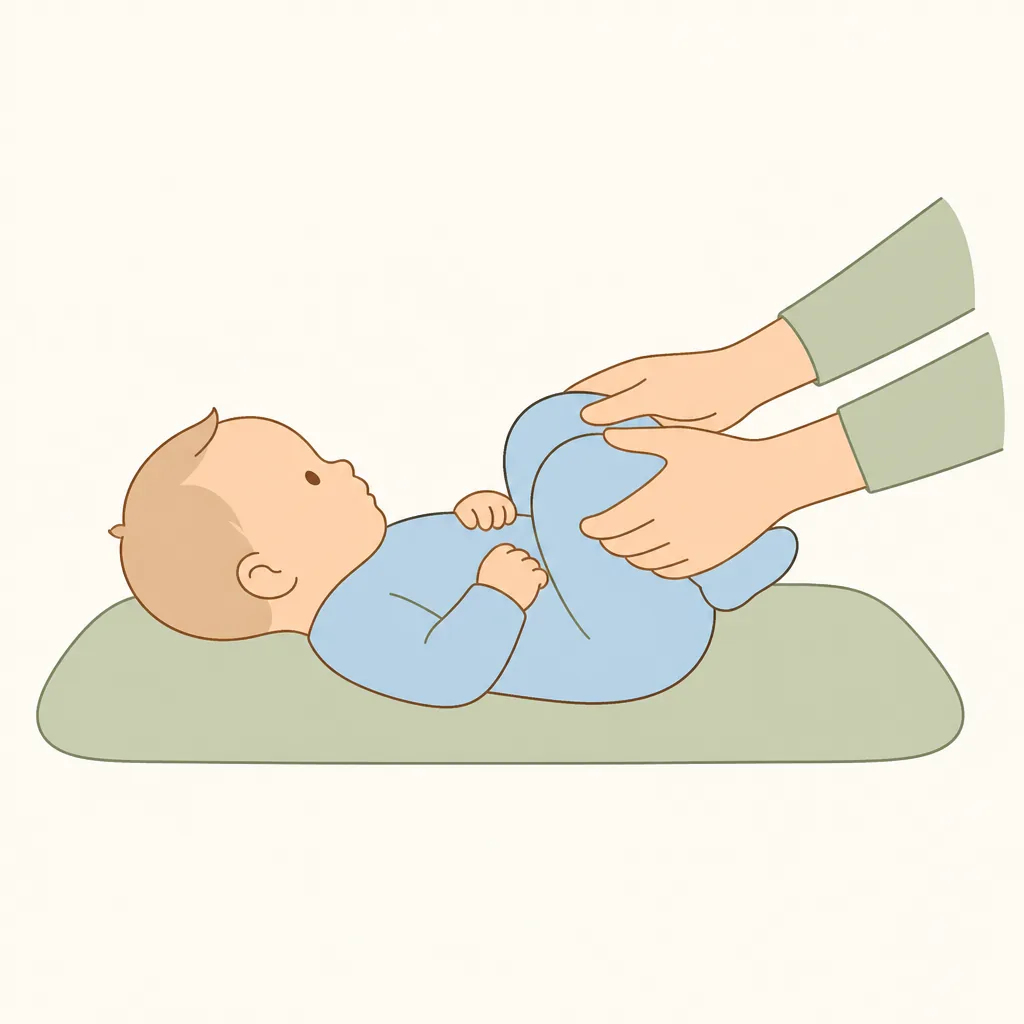
Bring both knees gently up towards the tummy, hold for a slow count of three, then let the legs straighten. Repeat five or six times. This is the move that most often produces the bottom burp, so watch for it.
Step 4. Clockwise tummy circles
Using the flat of your fingers, make slow, gentle circles around the belly button in a clockwise direction as you look at your baby. Clockwise follows the direction wind travels through the gut. Keep the pressure light, about the weight of your hand. Our step-by-step guide to baby massage for colic and wind has the full routine if you want to add more strokes.
Step 5. Tummy-down hold
Pick your baby up and lay them tummy-down along your forearm, their head in the crook of your elbow and turned to the side, your hand between their legs. Walk slowly. The steady pressure on the tummy and the gentle movement keep things moving. This is the colic carry, and our guide to the colic carry shows how to do it safely. If you would rather sit, lay your baby tummy-down across your knees and rub their back.
Step 6. Repeat once if needed
If nothing has come after the tummy-down hold, give your baby a short break, then go through steps 2 to 4 once more. Two rounds is plenty. After that, give their tummy some time.
What a Release Looks Like
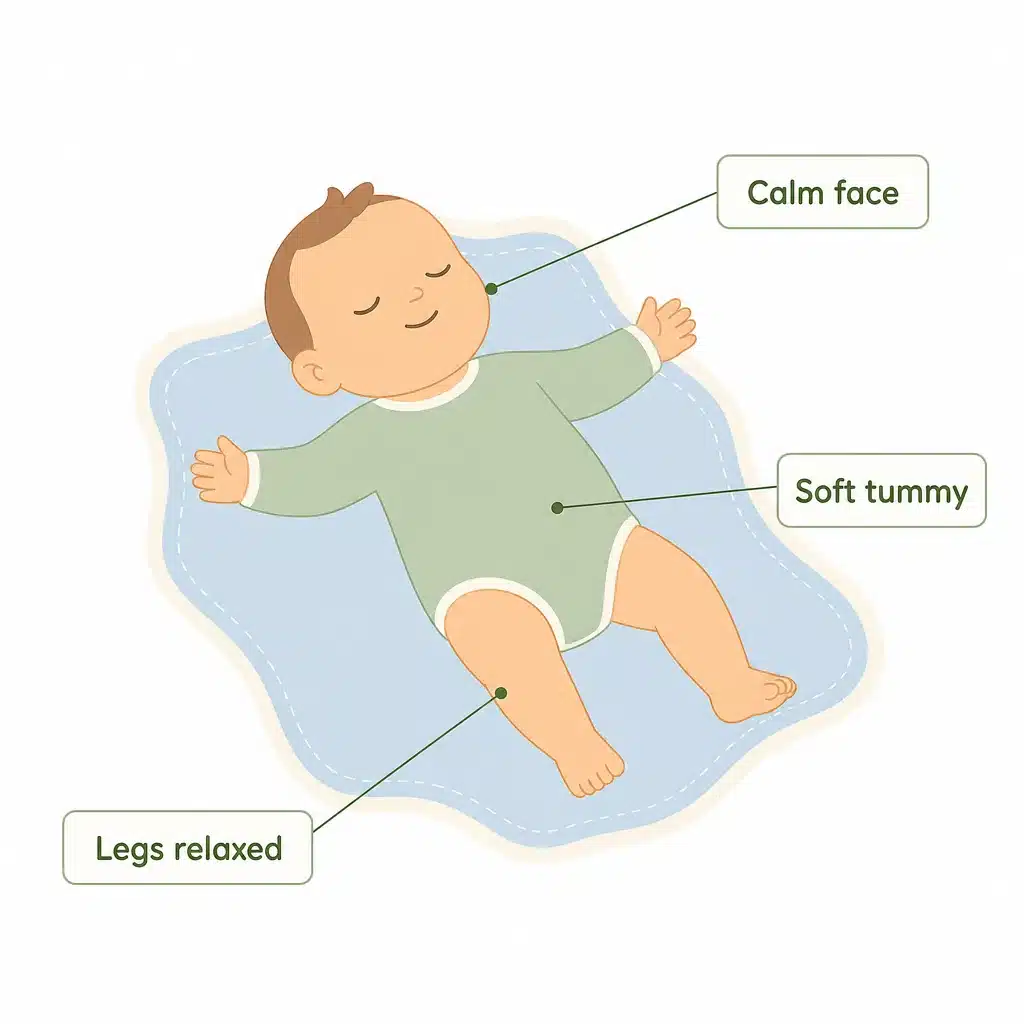
You will usually know when it has worked.
- A bottom burp, sometimes a few in a row
- A poo, which often comes with the wind
- Straight legs. The knees stop drawing up, and the legs relax out
- A calm face. The grimace goes, the colour settles, and your baby often looks around or drifts off
It is common for the relief to be sudden. A baby who was straining and crying can be calm within a minute of the wind passing.
Other Ways to Help Low Wind Move
A warm bath
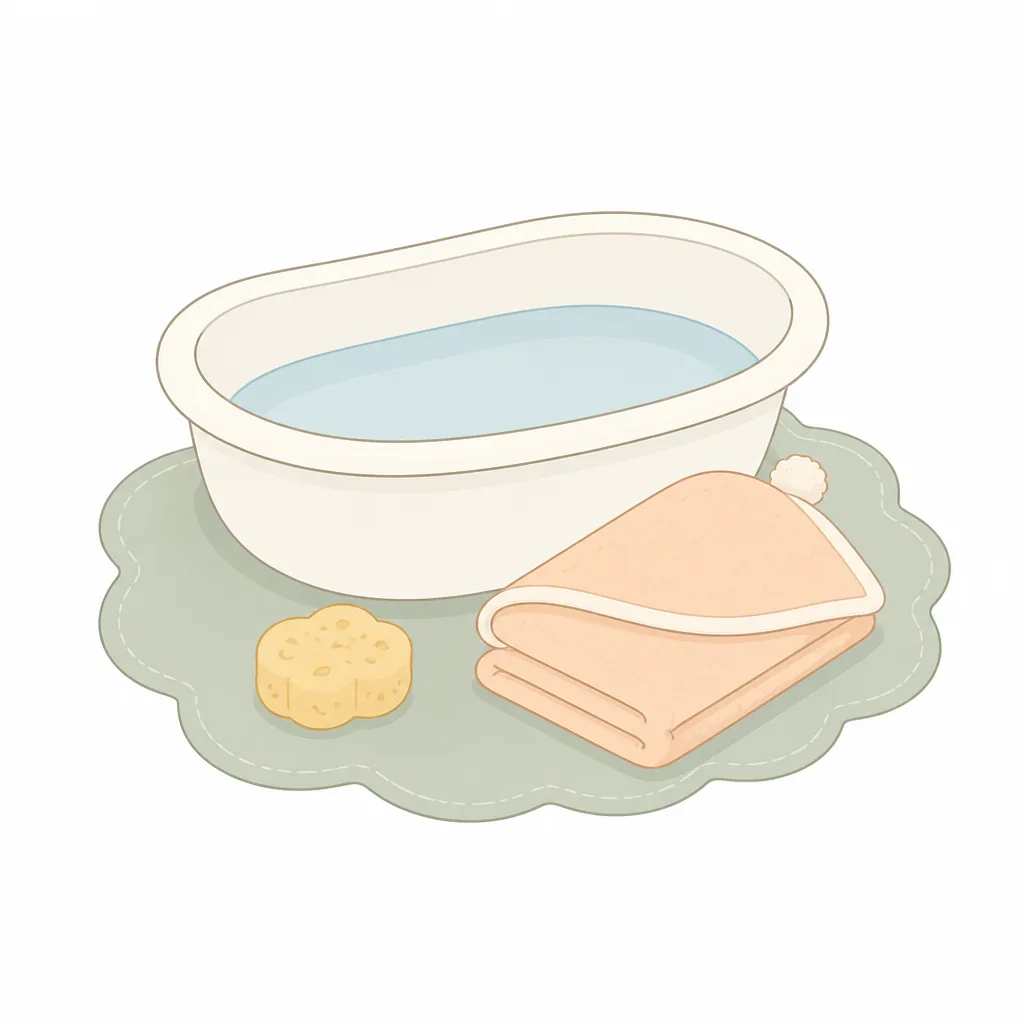
Warm water relaxes a tense tummy, and many babies pass wind in the bath or soon after. Check the water with your wrist or elbow before your baby goes in. It should feel warm, not hot. Stay with your baby the whole time, and follow with some gentle leg movements while they are relaxed.
Tummy time
A few minutes on their tummy on the floor, awake and supervised, puts the same gentle pressure on the tummy as a hold. It is a good between-feeds habit for windy babies. Our guide to tummy time for newborns has ideas to make it easier.
Upright on your chest, knees tucked
Hold your baby upright against your chest with their knees tucked up under them, like a little frog. The gentle bend at the hips, with your chest against their tummy, suits babies who settle best when held close.
If the Wind Will Not Shift
Some days the routine does not work first time. Our guide to 10 ways to relieve trapped wind has more ideas to try, and a few things are worth keeping in mind:
- Give it time. Wind often passes on its own a little later, especially once your baby is calm and upright or feeding again
- Do not overdo it. Two rounds of the routine is enough. More pushing and pumping can make a tired baby more upset
- Straining is not always wind. Young babies often grunt, go red and strain to do a normal soft poo. That is normal. Hard, pebble-like poos, a baby who seems in real pain, or a tummy that stays swollen and hard are worth checking with your GP
- Do not put anything in your baby’s bottom to release wind, unless a health professional has shown you how and advised it
Stopping Wind Building Up Low
The less air that goes in, and the more that comes up as a burp, the less wind you will need to release later.
- Burp during the feed, not only at the end
- Keep your baby upright for 20 to 30 minutes after daytime feeds
- Feed calmly, before the frantic cry, and at a more upright angle
Our wind relief for babies page puts every method in order, including what to do in the first 60 seconds when the crying starts. Alongside the hands-on methods, many Australian families use Infants’ Friend Colic & Wind, a traditional herbal remedy given by mouth with feeds. Its ingredients are traditionally used in Western herbal medicine to relieve colic symptoms, wind and gas pain and mild indigestion in infants, and it is alcohol-free and suitable from birth when used as directed.
When to Talk to Your GP or Child Health Nurse
Low wind is common and usually passes with a bit of help. See your GP or maternal child health nurse if your baby has a tummy that stays swollen and hard, vomits often or brings up green vomit, has blood or mucus in their poo, has a fever, refuses feeds, has not done a poo for longer than usual and seems uncomfortable, or seems to be in pain that nothing eases. Trust your instincts. A baby who seems unwell to you, rather than windy, is always worth a visit.
Always read the label and follow the directions for use. If symptoms persist, talk to your health professional.
Infants’ Friend Colic & Wind (AUST L 367810) contains ingredients traditionally used in Western herbal medicine for colic relief (wind/gas pain). Available Australia-wide since 1935.
Frequently Asked Questions
AUST L 367810. Always read the label and follow the directions for use. If symptoms persist, talk to your health professional.