
If you have found yourself searching “why is my baby so gassy” at 2am with a squirming, grunting newborn on your chest, you are in very good company. Almost every new parent goes through a stretch where their baby seems to be made of wind. The tummy is tight, the legs pump, the face goes red, and every feed ends in a wrestling match with a burp that will not come.
This page is about the why. It walks through the eight things that make babies gassy, how to work out which ones apply to yours, how to tell wind from the things it imitates, and a simple triage for what to try first. If you already know it is wind and want the full relief toolkit, go straight to wind relief for babies.
At a glance
- Nearly all baby wind is swallowed air plus a gut that is still learning to move it along
- Eight everyday causes account for almost every gassy baby, and most of them are about how air gets in during feeds and crying
- A burp or a bottom burp that ends the crying is the surest sign it was wind
- Gassiness is worst between about 2 and 8 weeks and eases noticeably by 3 to 4 months
The Eight Causes of a Gassy Baby
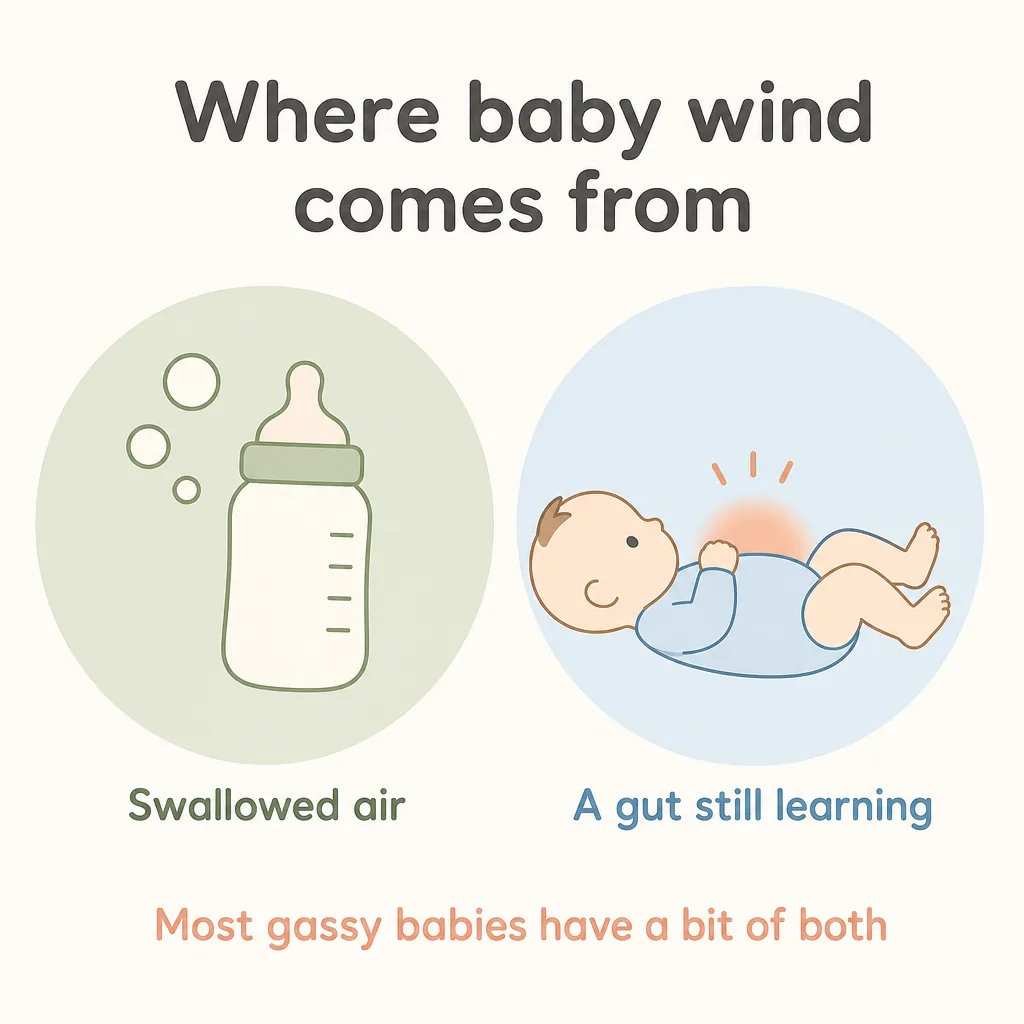
Wind in babies has two sources: air that goes in, and a gut that is not yet good at getting it out. The eight causes below are the everyday versions of those two things. Most gassy babies have three or four of them going on at once.
1. Swallowed air at the breast or bottle
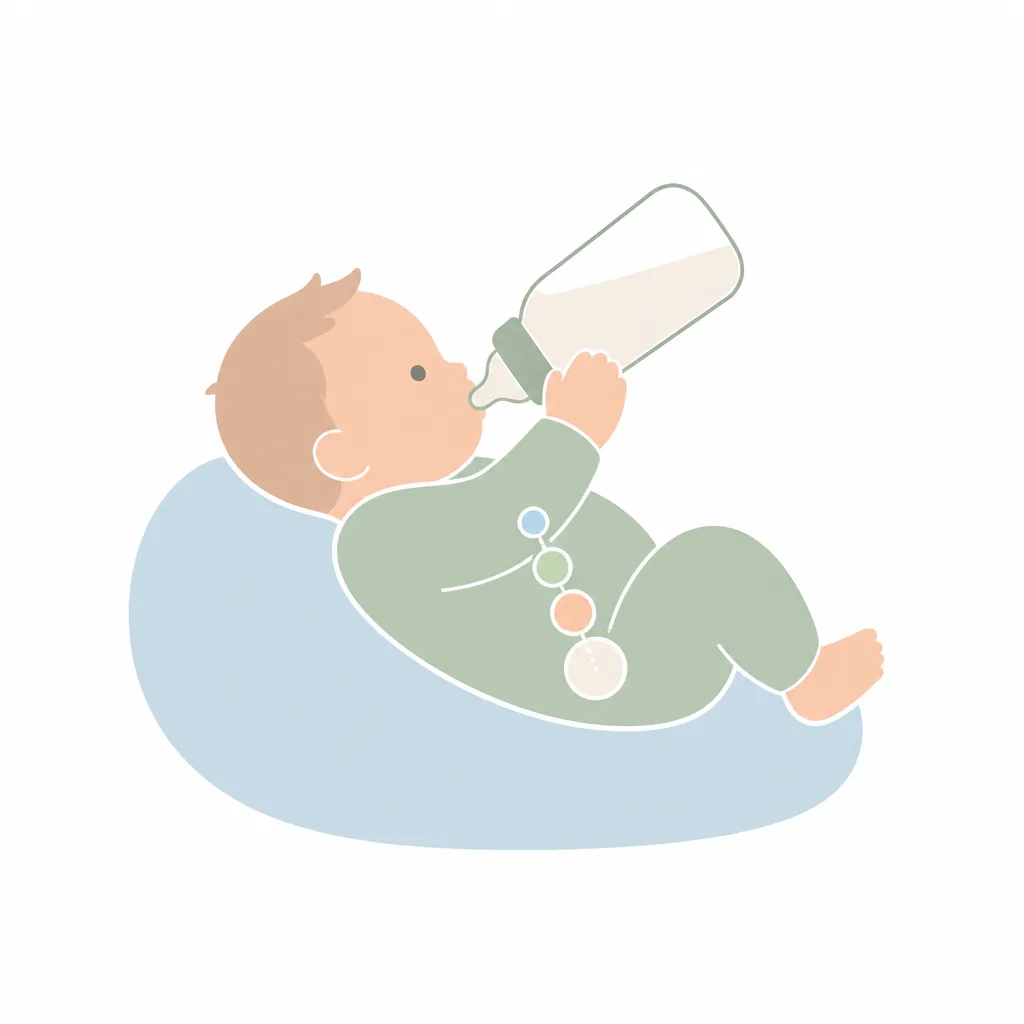
Every feed carries some air down with the milk. A shallow latch, a fast-flowing teat, a bottle held flat so the teat is half air, or a frantic, gulping feed all push the amount up. This is the single biggest cause, and the most fixable.
2. Crying
Crying swallows air. A baby who is upset about wind cries, swallows more air, and ends up windier. Breaking that loop early, with a burp or a hold before the crying builds, is why the first minute of fussing matters so much.
3. A gut that is still learning
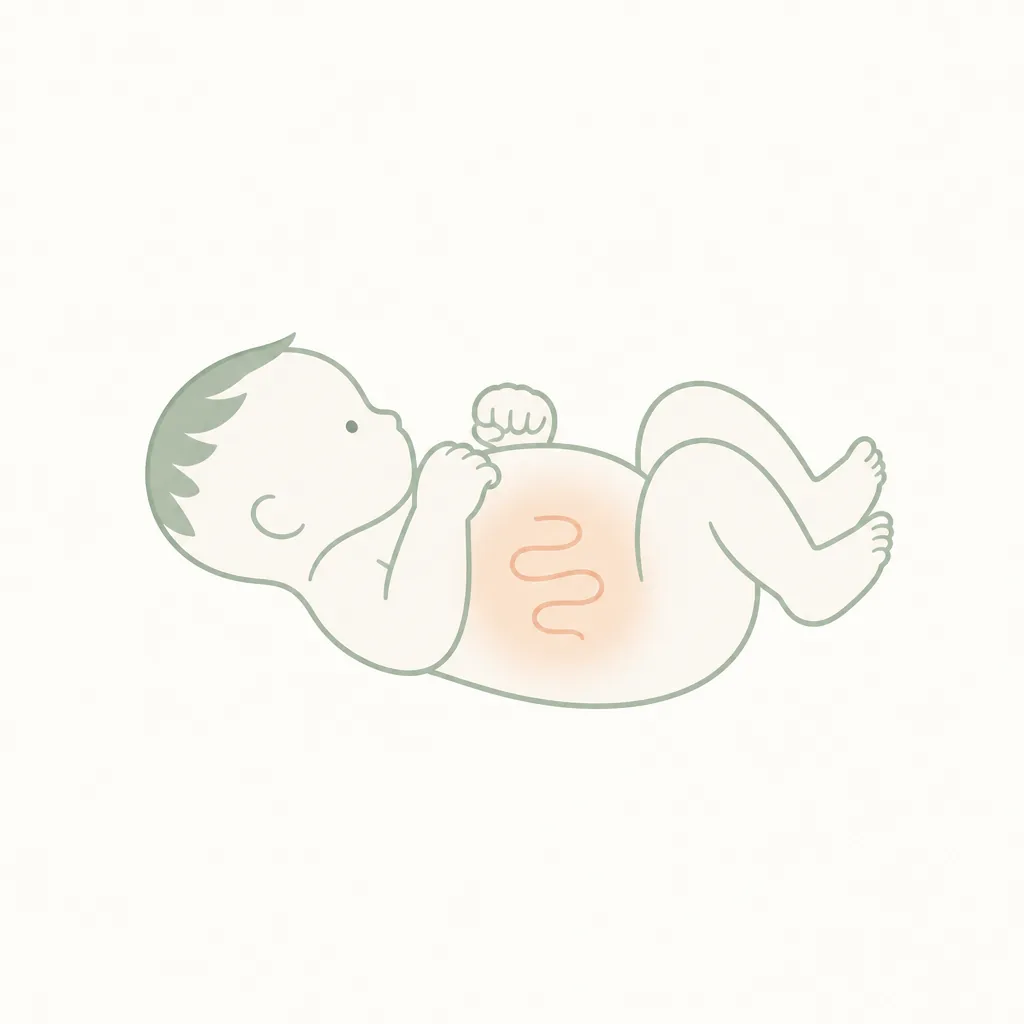
A newborn gut has weaker muscles, less coordination and a tiny tummy, and the baby spends most of the day lying flat, so a bubble has nowhere to go. Digesting milk at all is new, and that early adjustment produces some wind of its own. This cause fixes itself, slowly, over the first three or four months.
4. Hungry, frantic feeds
The longer a baby waits past the first hunger cues, the more desperate the feed and the more air goes down. Feeding a little earlier, at rooting and hand-sucking rather than full crying, quietly reduces wind across the whole day.
5. Cluster feeding in the evening
Lots of short feeds close together in the late afternoon mean lots of small top-ups of swallowed air right when your baby is tired and less able to shift it. This is why so many gassy babies look colicky at 6pm. Our guide to the witching hour explains the evening pattern.
6. A fast let-down or an overly full tummy
If milk arrives fast, your baby gulps to keep up and swallows air with it. A tummy that is very full and stretched also feels much like a gassy one. Slowing the feed, pausing for a burp when switching sides, or trying a slower teat all help.
7. Feeding position
A baby lying flat during a feed keeps air low in the tummy, where it is hardest to burp out. A more upright angle lets air sit at the top, where a burp can reach it.
8. Milk sensitivity
Uncommon, but worth knowing. If gassiness comes with rashes, mucousy or bloody poo, frequent vomiting or poor weight gain, cow’s milk protein intolerance is worth raising with your GP. Wind on its own, in a baby who is feeding and growing well, is usually just wind.
Notice what is not on the list: anything you did wrong. A gassy baby is not a sign of poor feeding technique or a difficult baby. It is a normal newborn tummy doing normal newborn things.
Which Causes Apply to Your Baby?
You do not need to guess. Three days of noting when the wind shows up will usually tell you. Use the wind diary below, on paper or in your phone notes.
| Feed time | Feed | Fussing (mins after) | What ended it | Notes |
|---|---|---|---|---|
| 7:10am | Breast, left then right | 20 | Burp over shoulder | No mid-feed burp, fast let-down on left |
| 10:30am | Bottle, 120ml | None | Burped halfway, teat kept full | |
| 6:15pm | Breast, cluster x3 | 10 | Colic carry, bottom burp | Very tired, gulping |
After a few days, patterns jump out. Fussing only after bottle feeds points to teat flow or bottle angle. Fussing after every feed with no mid-feed burp noted points to burping technique. Fussing only in the evening points to cluster feeding and tiredness. The fix follows the pattern.
Signs Your Baby Is Gassy
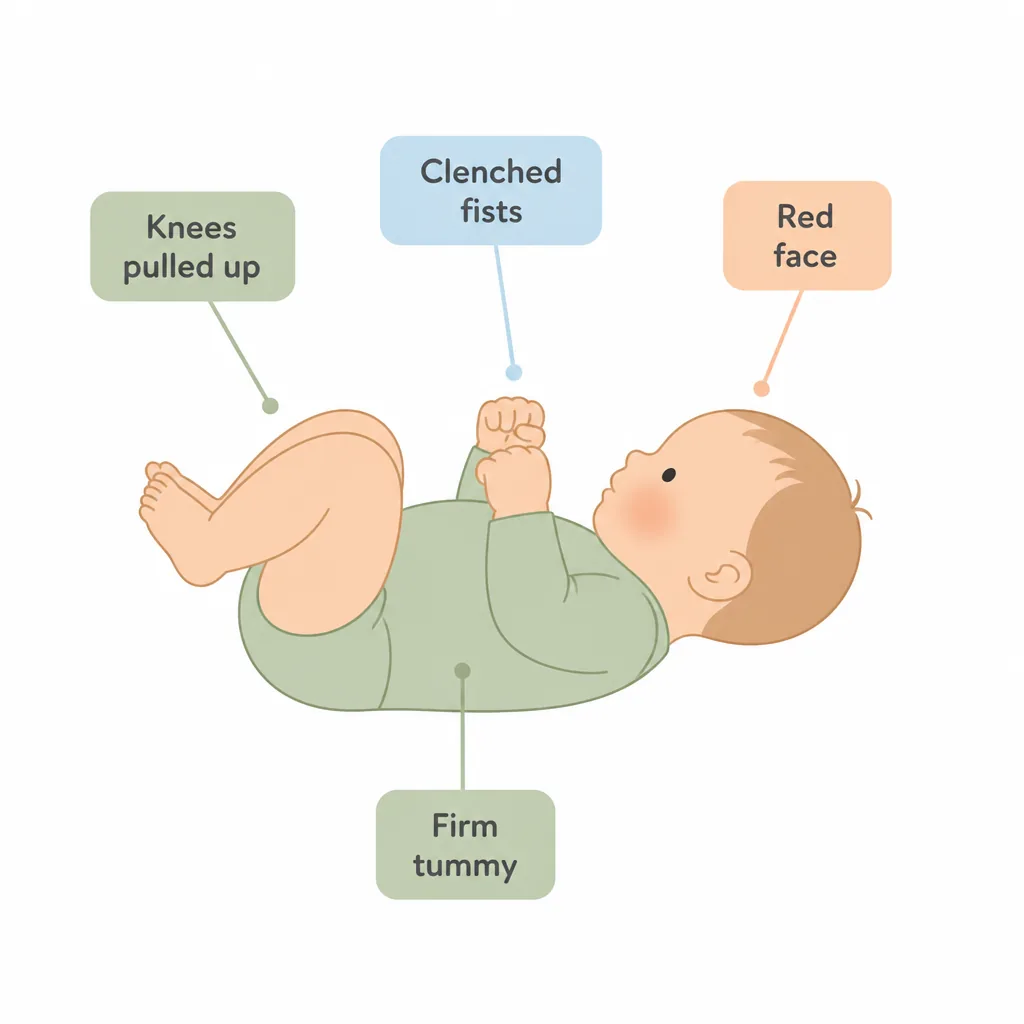
The signature of wind, in a cluster rather than any one sign on its own:
- Grunting and wriggling that starts within an hour of a feed
- Knees drawn up, back arched, fists tight
- A tummy that feels drum-firm under your palm
- Fussing that stops the moment they are upright, or after a burp or bottom burp
For a detailed guide to reading these signs by age and time of day, including a 60-second check you can run at the change table, read trapped wind in infants.
Gassy or Something Else?
Wind overlaps with a few other things, and it helps to know which you are dealing with.
| What you notice | More likely wind | More likely something else |
|---|---|---|
| Timing | Soon after feeds, any time of day | Same time every evening, most days (colic) |
| Crying | Bursts that ease when wind passes | Hours of intense crying that settling barely dents (colic) |
| Feeding | Feeds well, then squirms | Arches away mid-feed, brings up a lot of milk (reflux) |
| Poo and skin | Normal | Mucus or blood in poo, rashes, poor weight gain (milk sensitivity) |
If your baby’s crying is long, intense and concentrated in the evenings, read our guide to colic vs gas and take the colic quiz, which walks you through the pattern in a couple of minutes. If feeds themselves are the battle, colic vs reflux covers what to look for.
What to Do: A Simple Triage
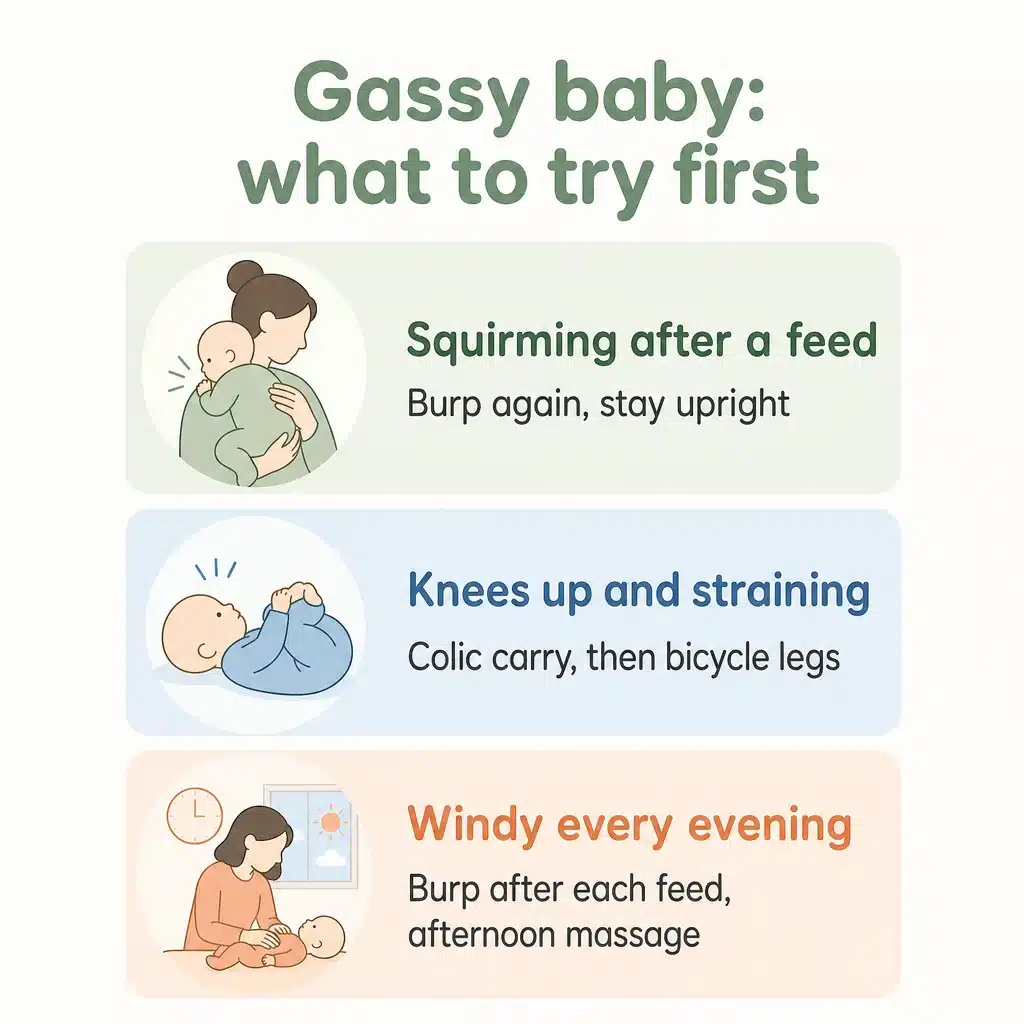
Match what you see to what to try first. The full toolkit, with every technique explained, is on our wind relief for babies page.
| What you see | Try first | Then |
|---|---|---|
| Squirming and grunting within an hour of a feed | Burp in a second position, upright for 20 to 30 minutes | Check teat flow or latch at the next feed |
| Knees up, straining, red face, tight tummy | Colic carry with slow walking, or the across-the-lap hold if you are sitting | Bicycle legs and knees to tummy on a firm surface |
| Windy most evenings | Burp after every evening feed, calmer and earlier feeds | Afternoon tummy massage before the fussy window |
| Windy mainly after bottles | Keep the teat full of milk, check the flow | Pause halfway for a burp |
| Windy mainly at the breast | Pause for a burp when switching sides | Ask a child health nurse or lactation consultant to check the latch |
| Wind plus rashes, changed poo or poor weight gain | Book your GP | Keep the wind diary to bring with you |
Alongside the hands-on techniques, many Australian families use Infants’ Friend Colic & Wind, a traditional herbal remedy with ingredients traditionally used in Western herbal medicine to relieve colic symptoms, wind and gas pain and mild indigestion in infants. It is alcohol-free and suitable from birth when used as directed. Our infant gas relief guide covers how it fits alongside the techniques and what to look for on any remedy’s label.
When Does a Gassy Baby Settle Down?
Gassiness is usually worst between about two and eight weeks, while the gut is at its most immature and feeds are at their most frequent. From there it improves steadily. By three to four months, most babies handle their own wind with the occasional assist, because the gut has matured, they spend more time upright and they have become better at feeding. Most parents find that one day they realise they have not thought about burping in a week.
When to Check In With Your GP
Wind on its own, in a baby who feeds well, grows well and has plenty of wet nappies, does not need a doctor. Wind plus something else does: fever, repeated vomiting, diarrhoea, blood or mucus in the poo, a swollen tummy that stays hard and tender, feed refusal, poor weight gain, or a baby who seems unwell to you rather than uncomfortable. Have a chat to your GP or maternal child health nurse, and bring the wind diary. It makes the conversation much quicker.
Always read the label and follow the directions for use. If symptoms persist, talk to your health professional.
Infants’ Friend Colic & Wind (AUST L 367810) contains ingredients traditionally used in Western herbal medicine for colic relief (wind/gas pain). Available Australia-wide since 1935.
Frequently Asked Questions
AUST L 367810. Always read the label and follow the directions for use. If symptoms persist, talk to your health professional.