
When your breastfed baby is crying for hours and pulling their knees up in discomfort, it is natural to look at your own plate and wonder if something you ate is to blame. Mums are often handed long lists of foods to cut out, from broccoli to coffee to anything spicy, and end up eating a sad, restricted diet while still feeling unsure it is making any difference.
Let us bring some calm to this. For most babies, what you eat is not the cause of their colic, and you do not need to live on plain toast. This page sets out a simple, well-nourished breastfeeding diet, the small number of foods that are sometimes worth watching, and a safe way to test whether anything is genuinely bothering your baby, all without going hungry or cutting out things you do not need to.
Does what you eat really affect colic?
Mostly, no. Colic is driven by things that have little to do with your diet: a digestive system that is still maturing, swallowed air and trapped wind, and a young nervous system learning to settle. These happen in breastfed and formula-fed babies alike, which is a good sign that the cause sits with the baby’s development rather than the mother’s dinner.
There is a smaller piece of truth underneath the myths. A minority of babies are genuinely sensitive to something passing through breast milk, most commonly cow’s milk protein. For those babies, a careful change to mum’s diet can help. But this is the exception, not the rule, and it usually comes with other clues beyond crying. So the right approach is not to strip your diet back on the assumption that food is the problem. It is to eat well, and only investigate a specific food if there is a real reason to.
Foods to eat while breastfeeding
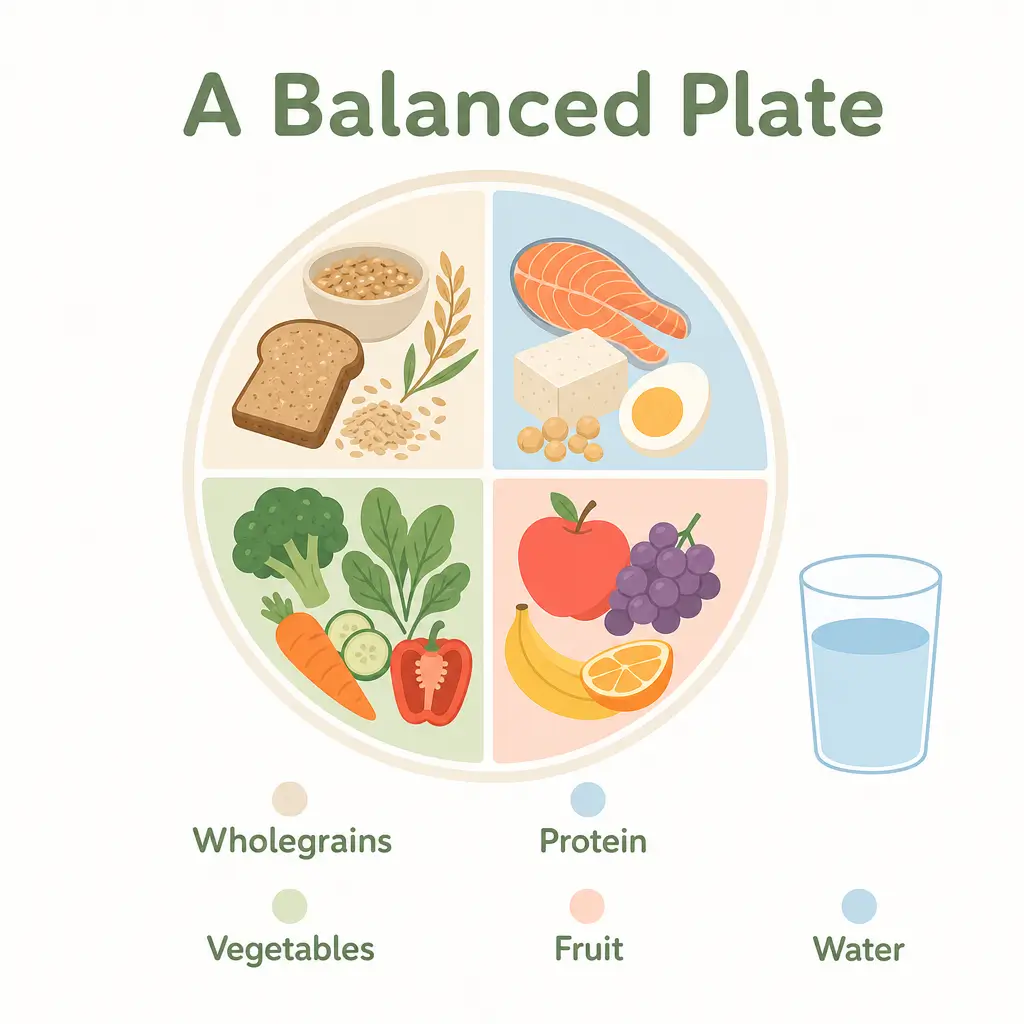
The single most useful thing you can do is keep yourself well fed and hydrated. Breastfeeding is hard work, and a tired, under-fed mum is in no position to cope with a colicky baby. A varied, balanced diet supports your milk, your energy, and your recovery.
- Plenty of water. Keep a bottle nearby and drink to your thirst, especially during feeds.
- Wholegrains and slow carbohydrates. Oats, wholegrain bread, brown rice, and pasta give you steady energy through long days and nights.
- Protein at each meal. Eggs, chicken, fish, lean meat, tofu, and legumes support your recovery and keep you fuller for longer.
- Fruit and vegetables across the colours. A wide mix gives you the vitamins and fibre you need. There is no need to avoid everyday vegetables unless you have a clear reason.
- Healthy fats. Avocado, olive oil, nuts, and oily fish like salmon support both you and your baby.
- Calcium and iron. Dairy or fortified alternatives, leafy greens, and red meat or legumes help replace what pregnancy and breastfeeding draw down.
The goal is simple: eat normally and well. A balanced diet does not cause colic, and eating properly will help you weather it.
Foods to avoid, or at least watch, while breastfeeding
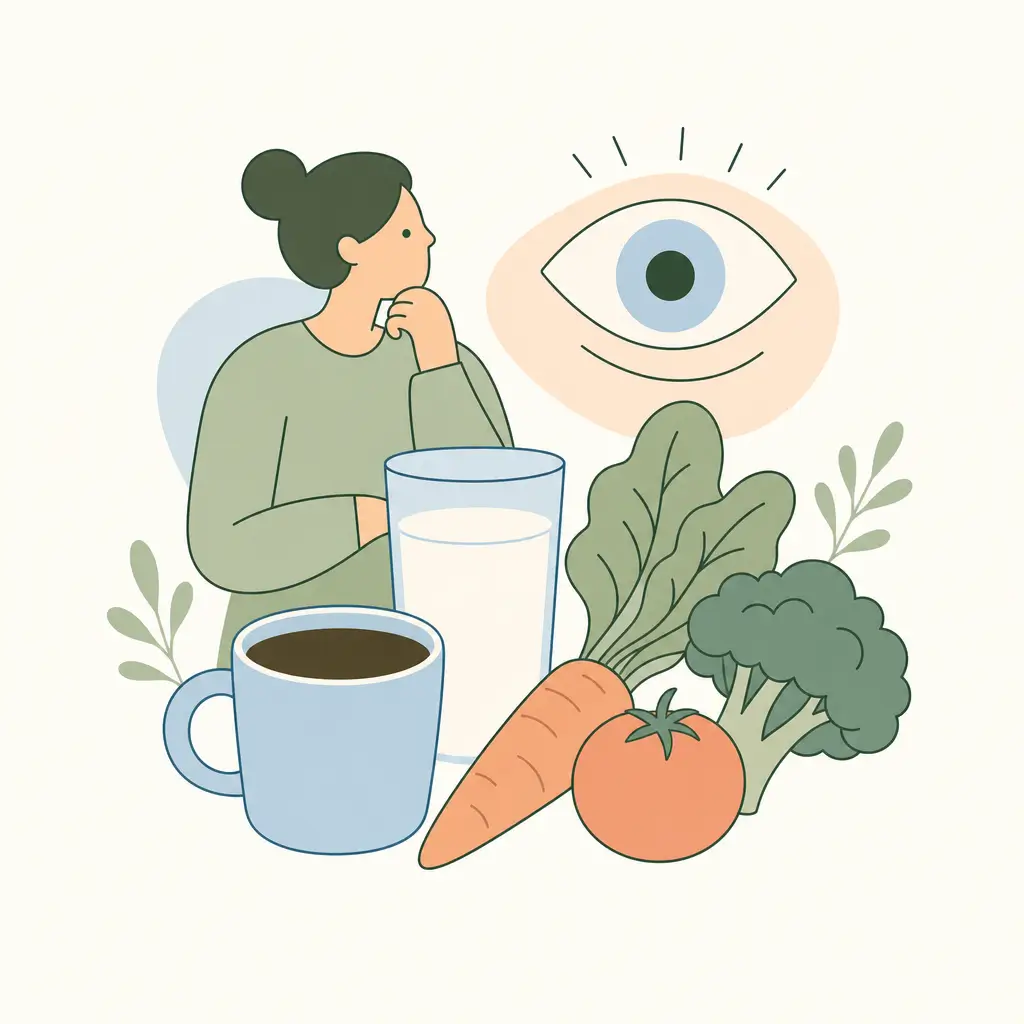
There is no fixed list of foods that every breastfeeding mum should avoid. Most mums eat whatever they like with no effect on their baby at all. That said, these are the ones most often linked with an unsettled baby and worth keeping an eye on if you are trying to work out a pattern.
| Food or drink | Why it sometimes comes up | A calm approach |
|---|---|---|
| Cow’s milk and dairy | The most likely genuine culprit. A minority of babies react to cow’s milk protein passing through breast milk, often with other symptoms too. | Only worth trialling if there are other signs, and best done with your GP or child health nurse so you keep your calcium up. |
| Caffeine (coffee, tea, cola, energy drinks) | Passes into breast milk and can make some babies more wakeful or unsettled. | You do not need to quit. A moderate intake is generally fine; if your baby seems wired, try easing back and see. |
| Very gassy vegetables (broccoli, cabbage, cauliflower, beans, onion) | A common piece of folklore. The gas you make does not pass into your milk, so for most babies these are fine. | No need to avoid them by default. Only consider it if you notice a clear, repeatable pattern. |
| Spicy or strongly flavoured foods | Can change the taste of milk, which most babies happily accept. | Rarely a real issue. Keep eating the foods you enjoy unless there is a clear reason not to. |
| Alcohol | Passes into breast milk and is best limited for your baby’s wellbeing generally. | Follow the usual breastfeeding advice on timing and amount rather than treating it as a colic fix. |
The thread running through this table is the same: do not cut these out as a precaution. Most are harmless for your baby, and an over-restricted diet costs you energy you cannot spare. Only look closer if you have a genuine reason to suspect one of them.
How to tell if a food is bothering your baby
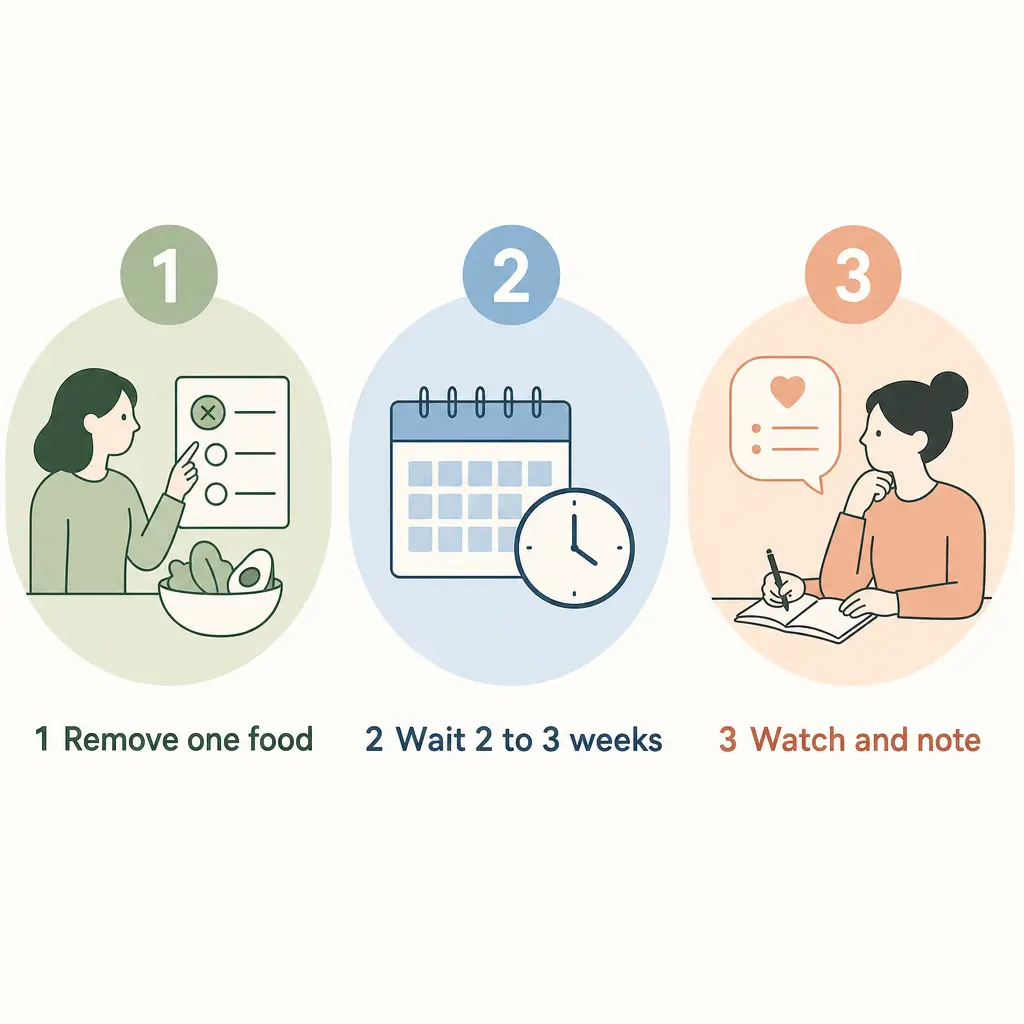
If your baby’s symptoms make you think a specific food might be involved, the way to find out is to test it carefully rather than cut out everything at once. Cutting out lots of foods together leaves you under-nourished and tells you nothing, because you cannot see which food, if any, made the difference.
A calmer approach looks like this. Pick the single most likely food, usually dairy if there are other signs of a cow’s milk protein sensitivity. Remove just that one, properly and consistently, for two to three weeks, because it can take that long to clear and for any change to show. Keep a simple note of your baby’s crying, wind, sleep, and nappies over that time. If there is a clear improvement, you can confirm it by reintroducing the food and watching whether the symptoms return. If nothing changes, bring the food back and move on, rather than stacking up more restrictions.
This is worth doing with your GP or child health nurse rather than alone, especially for dairy, so that your own nutrition is protected and you are looking at the right things. Our guide on cow’s milk protein intolerance explains the symptoms that make a dairy trial worthwhile in the first place.
Staying nourished while you cut back
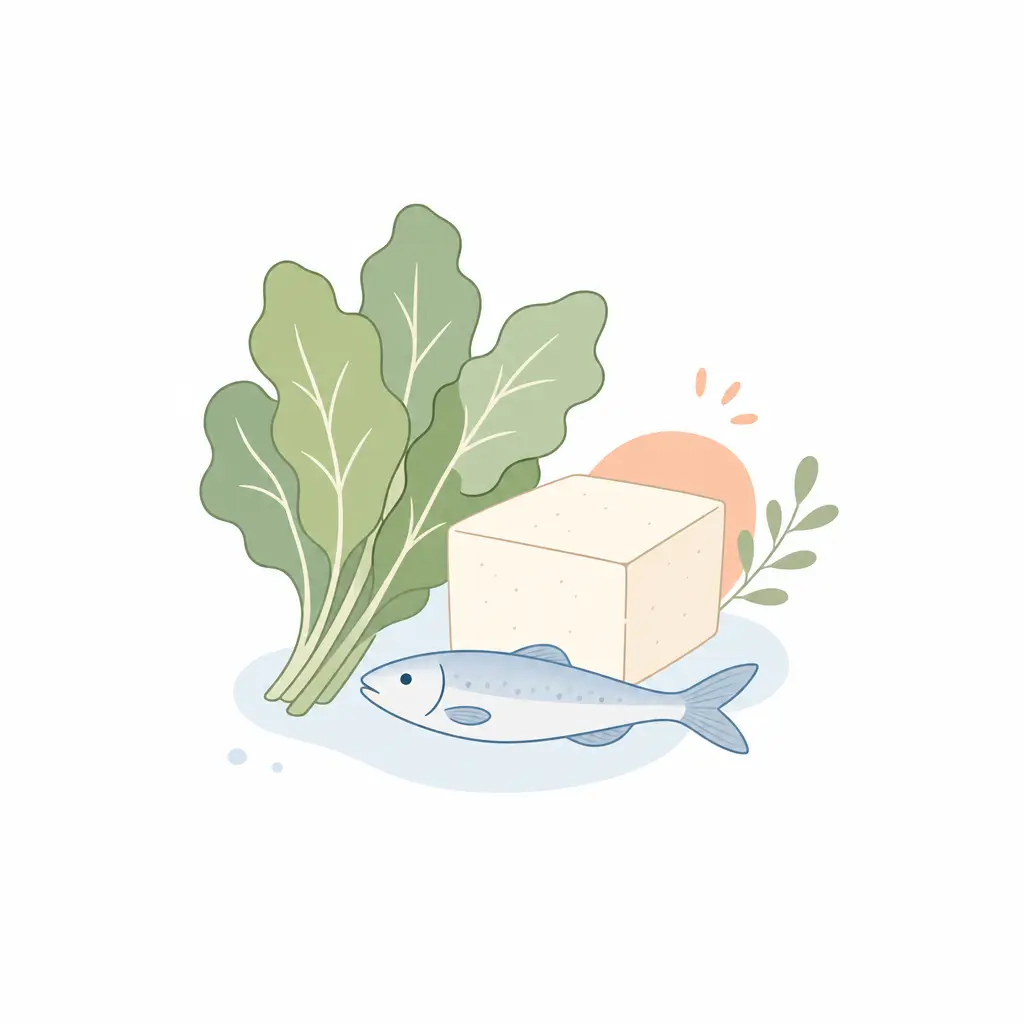
If you do trial cutting out a food, the most important rule is to replace what it was giving you. Dairy is the big one here, because it is a major source of calcium. If you remove it, you need calcium from other places, such as fortified plant milks, leafy greens, tinned fish with bones, and calcium-set tofu, and you may need to talk to your GP about whether a supplement is sensible.
A restricted diet that leaves you depleted helps no one. You need your strength to get through the colic weeks, and your baby needs a well mum more than they need you on a bare diet. Keep any change as narrow as possible, replace the nutrients, and stop the trial if it is not clearly helping.
Diet is only one small piece

It is worth keeping perspective. Even when a food sensitivity is involved, diet is rarely the whole answer, and for most babies it is not the answer at all. The everyday tools for colic matter far more for most families: bringing up wind during and after feeds, a good latch, holding baby upright, gentle motion and warmth, and a calm evening routine. Our pages on colic in breastfed babies, home remedies for colic, and how to soothe a crying baby pull these together.
Many families also lean on a gentle settling aid through the colic window. Infants’ Friend Oral Liquid has supported Australian parents since 1935, using ingredients traditionally used in Western herbal medicine for the relief of wind and gas pain, and it sits comfortably alongside breastfeeding and a normal, balanced diet.
When to get help

Reach out to your GP or child health nurse before making big changes to your diet, and especially if your baby’s symptoms go beyond crying. Get advice if your baby:
- Has a rash
- Is doing a lot of vomiting
- Has blood or mucus in their nappies
- Has poor weight gain
- Seems generally unwell
Trust your instincts. Check in any time the crying changes suddenly or simply feels wrong to you — that is always the right move.
Infants’ Friend Oral Liquid (AUST L 367810) contains ingredients traditionally used in Western herbal medicine for colic relief (wind/gas pain). Available Australia-wide since 1935.
Frequently Asked Questions
AUST L 367810. Always read the label and follow the directions for use. If symptoms persist, talk to your health professional.