
It is early evening, the crying started an hour ago, and nothing on the usual checklist is working. Fed, changed, winded, cuddled, and still those long, hard cries that make your chest tighten. Soothing a colicky baby can feel like trying to negotiate with the weather. It can be exhausting, isolating, and a bit frightening.
Here is the honest version: there is no single trick that switches colic off. But there are techniques that genuinely help many babies through an episode, and having a calm, practised routine of them makes the hard hours shorter and far less overwhelming. This page walks through them, roughly in the order worth trying them.
Why Colicky Babies Are So Hard to Settle
Colic is intense, unexplained crying in an otherwise healthy, thriving baby, usually landing in the late afternoon or evening and often lasting hours at a stretch. During an episode, babies commonly pull their knees up, clench their fists, go red in the face and cry in a way that sounds genuinely pained.
The reason ordinary settling often fails is that you are not fixing one obvious problem, like hunger. You are helping an immature little nervous system and digestive system cope with being new to the world. That is why soothing a colicky baby is less about finding the magic answer and more about layering gentle inputs, movement, sound, warmth and closeness, until your baby’s system settles.
Two things to hold onto before we get practical. Colic is not caused by anything you did. And it passes: most babies grow out of it by three to four months.
Run Through the Quick Checks First

Before you start the settling routine, take thirty seconds to rule out the fixable things.
- Hunger, or the opposite, an uncomfortable overly full tummy
- A wet or dirty nappy
- Too hot or too cold, easily checked at the back of the neck
- Clothing niggles: a scratchy tag, a tight waistband, a sock thread wrapped around a toe
- Trapped wind, especially if the crying started soon after a feed
That last one deserves special attention with colicky babies. A good burp can end an episode before it builds, so it is worth knowing the best ways to burp a baby and trying more than one position.
Movement and Holds That Calm

Babies spent nine months being constantly rocked, swayed and held snug. Recreating that motion is one of the most reliable ways to settle a colicky episode.
The Colic Carry
Lay your baby tummy-down along your forearm, head resting near the crook of your elbow, legs either side of your arm, with your other hand resting on their back. The gentle pressure of your arm against their tummy can be wonderfully comforting for wind pain, and many colicky babies calm noticeably in this position. Walk slowly around the house while you do it. This hold shows up in nearly every colic conversation for a reason.
Upright on Your Chest
Hold your baby upright against your chest, their head near your shoulder, and let them feel your breathing and heartbeat. Add a slow sway or a walk. Upright positions also help any swallowed air find its way up, which is half the battle on colicky evenings.
Rocking, Walking and Baby-Wearing
Rhythmic, repetitive movement works better than vigorous jiggling. Slow laps of the hallway, a gentle bounce on the edge of the bed, a rocking chair, or a carrier or sling that keeps baby snug against you while your hands get a break. Many parents find the carrier is what finally gets them through the witching hour, that fussy stretch in the late afternoon and evening.
Never shake your baby, no matter how long the crying has gone on. If you feel your frustration rising, it is always okay to put your baby down safely in the cot and step away for a few minutes.
Sound: Shushing, White Noise and Your Voice
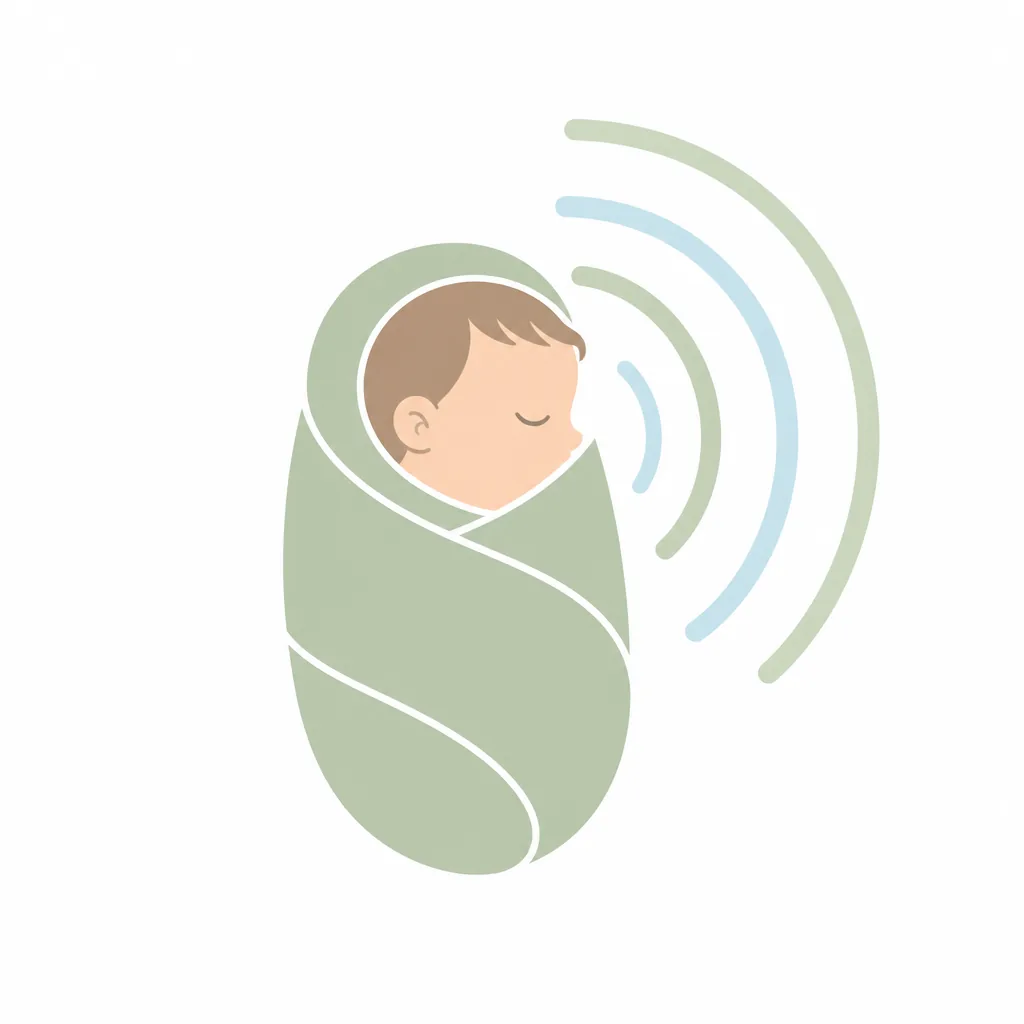
The womb was not a quiet place. Constant whooshing, a heartbeat, muffled voices. Silence can actually feel strange to a new baby, which is why steady sound settles many colicky babies.
- A long, steady “shhhh” near your baby’s ear, about as loud as their crying to start with, then softening as they calm
- White noise: a white noise machine or app, the rangehood, the washing machine, a fan
- Low, repetitive singing or humming. Your voice is the sound they know best
- A drive in the car or a walk in the pram, which combine sound and motion in one
Keep the sound steady and boring. Sudden changes in noise, light or handling tend to wind an overstimulated baby back up.
Warmth, Touch and a Change of Scene

Warmth and skin contact settle the nervous system, for babies and for parents.
- A warm bath during the peak crying window. Some families move bath time to the early evening entirely for the colic months
- A gentle tummy massage: slow, clockwise circles around the belly button with warm hands. Our home remedies for colic guide covers this in more detail
- Bicycle legs: with baby on their back, gently cycle their legs to help move wind through
- Skin-to-skin time on your chest
- Sometimes, simply stepping outside. The change of light, temperature and sound can interrupt a crying spiral surprisingly well
Feeding Tweaks That Make Evenings Easier

What happens during feeds shapes what happens after them. A few small adjustments can lower the amount of air your baby swallows and the pressure that builds up later:
- Feed before your baby is frantically hungry, since frantic feeding gulps more air
- Keep your baby fairly upright during feeds
- Pause to burp partway through the feed, not just at the end
- If bottle feeding, check the teat flow suits your baby and keep the teat full of milk
- Hold your baby upright for a while after feeds before laying them down
If wind seems to be a big part of your baby’s discomfort, our guide to 10 ways to relieve trapped wind goes deeper on positions and techniques, and it helps to understand the difference between colic and gas.
Look After Yourself Too

This is not a footnote. Soothing a colicky baby for hours is genuinely hard, and your baby does not need a perfectly calm parent, just a safe one.
- Tag-team with your partner if you can, in shifts, so each of you gets a real break
- Accept help. A grandparent or friend holding the baby for an hour is not a failure, it is a strategy
- If you are alone and at your limit, put your baby down safely in the cot and take five minutes to breathe
- Talk to someone about how you are coping, not just about the baby
Colic has a way of arriving right when parents are at their most depleted. Being kind to yourself through it is part of soothing your baby, because babies borrow calm from the people holding them.
A Little Extra Help: Natural Colic Relief
Alongside settling techniques, many Australian families reach for a herbal colic remedy as part of the routine. Infants’ Friend Colic & Wind is a blend of chamomile, lemon balm and dill seed oil, herbs traditionally used in Western herbal medicine to relieve colic symptoms, wind and gas pain, and mild indigestion in infants. It has been made in Australia since 1935 and is suitable from birth when used as directed.
It is typically given before feeds, which makes it easy to build into the routine ahead of the evening crying window. You can read about how it works and find it at Coles, Woolworths and Chemist Warehouse via our where to buy page. Always read the label and follow the directions for use.
When to Talk to Your GP or Child Health Nurse
Colic is a well-worn path and most crying babies are perfectly healthy. But check in with your GP or maternal child health nurse if your baby has a fever, vomiting, diarrhoea, poor weight gain, fewer wet nappies than usual, or if the crying sounds different to you, weak, high-pitched or continuous. And if you are ever worried, that is reason enough on its own. Nobody knows your baby like you do.
If you are unsure whether what you are seeing is colic at all, our guide to the signs of colic in newborns can help you get your bearings, or take our colic quiz.
Infants’ Friend Colic & Wind (AUST L 367810) contains ingredients traditionally used in Western herbal medicine for colic relief (wind/gas pain). Available Australia-wide since 1935.
Frequently Asked Questions
AUST L 367810. Always read the label and follow the directions for use. If symptoms persist, talk to your health professional.